Home › Service Areas
One county, one building code, and thirty-four municipalities that each run their own permit counter. Every page below covers the permitting authority for that area, the local building stock, the rules that actually change a roofing job, and real cost ranges.
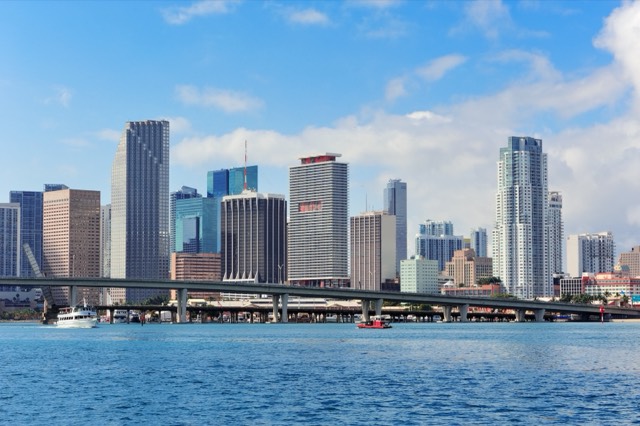
Permitted by the City of Miami Building Department
The City of Miami runs its own building department, plan review and inspection scheduling, separate from the County. Permits are filed through the City's own portal, and the City adds historic and design review layers in several neighbourhoods that the County does not.
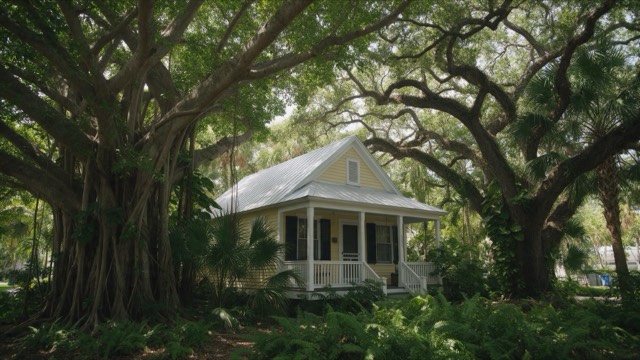
Permitted by your city's building department
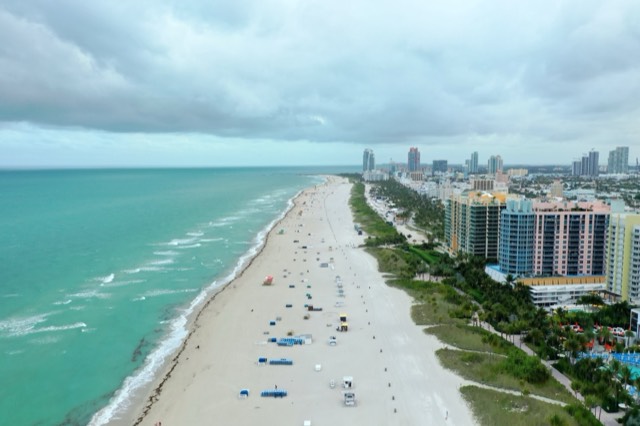
Miami-Dade has 34 incorporated municipalities, and most run their own building department, fee schedule and inspection scheduling. Several — Coral Gables and Miami Beach in particular — add architectural or historic review that materially affects roofing work.
Permitted by the Miami-Dade County Building Division
Large parts of the county are unincorporated and permitted directly by Miami-Dade County. The County is also the authority that issues Notices of Acceptance for roofing products used anywhere in the HVHZ, whether the job is permitted by the County or by a city.
Everywhere
Miami-Dade and Broward are the only two counties in the country designated a High Velocity Hurricane Zone. The HVHZ provisions of the Florida Building Code are a stricter, separate rulebook: products need their own approval, the deck has to be sealed, attachment is tested in the field, and there are more inspections. A roofing spec that is perfectly legal in Orlando or Tampa can be non-compliant here without a single word changing on the page.
A Notice of Acceptance is Miami-Dade County Product Control's approval of a specific product in a specific assembly. Underlayment, tile, fasteners, adhesive, edge metal — each carries its own NOA, and the NOA specifies how it may be installed. NOAs carry expiration dates and have to be renewed by the manufacturer. You can look any of them up yourself on the County's product approval search. Installing a product without a current NOA is a code violation that can mean a failed inspection and a tear-off at the contractor's cost.
The HVHZ requires a sealed roof deck: a continuous secondary barrier under the primary roof covering, so that if the tile or shingle comes off in a hurricane the building still does not take on water. In practice that is a self-adhered polymer-modified bitumen membrane meeting ASTM D1970 with a current NOA, or an approved combination such as 4-inch self-adhering tape over every deck joint followed by an approved base sheet. The permit holder signs an Affidavit of Compliance for roof deck attachment and the secondary water barrier, and hands it to the inspector at the first inspection.
On mortar-set and adhesive-set tile, the code requires a field uplift test to TAS 106 after installation and before the final inspection — a real, physical pull test confirming the tile resists a minimum uplift load. It is one of the few places in American construction where the inspector verifies the installed result rather than the paperwork. Ask any bidder how many pulls they budget for.
Cost
| System | Installed cost / sq ft | Typical service life | Notes |
|---|---|---|---|
| Architectural asphalt shingle | $7 – $12 | 15–25 yrs | The budget option in Miami-Dade. Shortest service life of anything here — UV and heat are brutal on asphalt. |
| Concrete tile (flat or profiled) | $14 – $24 | 30–50 yrs | The South Florida default. Heavy — the structure has to be able to carry it. |
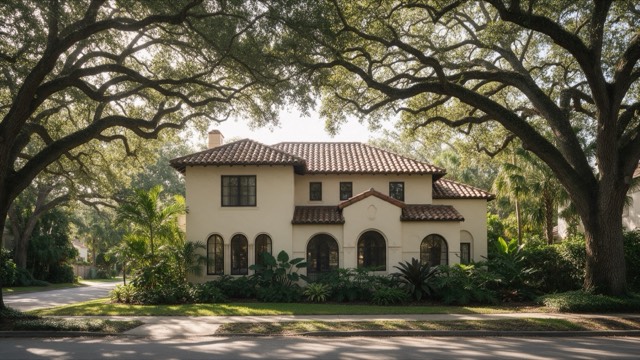
| Clay barrel tile | $18 – $30 | 40–75 yrs | Coral Gables, Coconut Grove and most of the historic stock. Highest material cost, longest life. |
| Standing-seam metal | $15 – $26 | 30–50 yrs | Gaining share fast on coastal property. Best wind performance per dollar; watch the fastener and clip spec near salt air. |
| Modified bitumen, 2-ply (low-slope) | $9 – $16 | 15–25 yrs | The standard flat-section system here — including the flat runs behind a tile parapet. |
| TPO single-ply (low-slope) | $9 – $17 | 20–30 yrs | Reflective. Common on commercial, small multifamily and larger flat residential sections. |
| Silicone restoration coating | $4 – $8 | 10–20 yrs | Only over a sound, dry substrate, and only where the existing system is not already at the layer limit. |
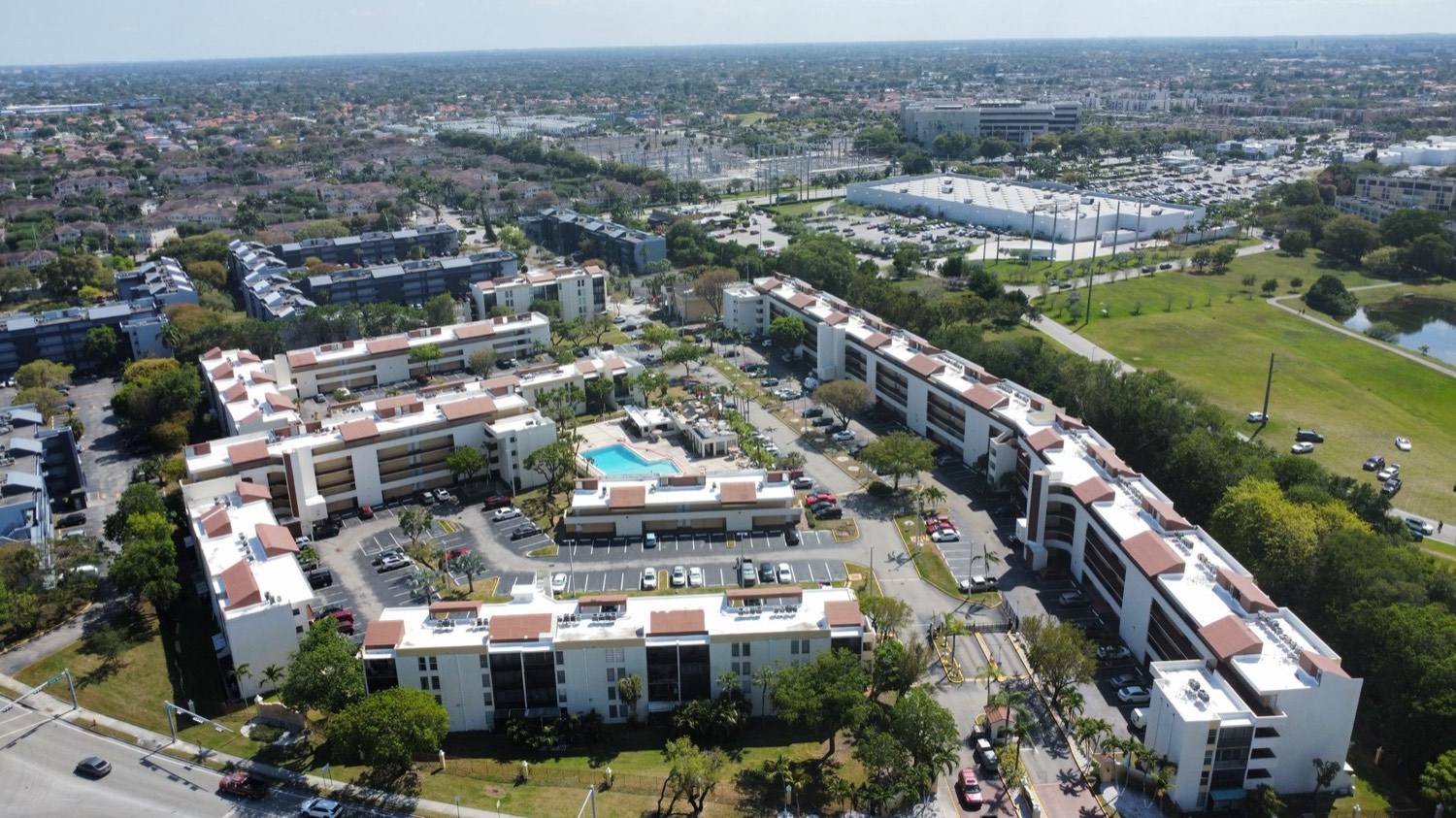
How to read these. Ranges are Miami-Dade market pricing for planning and budgeting, not a quote. Real numbers move with roof geometry and pitch, how much deck has to be replaced once the tile is off, the secondary water barrier the HVHZ requires, tear-off depth, access and staging, and how many squares of tile can be salvaged and reset versus supplied new.
Tell us about the property. We'll schedule a site walk and send a written condition report with photos.
We'll be in touch within one business day to schedule your roof assessment. In the meantime, here's the homeowner's guide to the Miami-Dade roofing code — permits, inspections, and the questions worth asking every bidder:
Miami-Dade Roofing Code Guide (PDF)Permits, the five inspections, NOA products & bid checklist Or grab a time right nowPick a slot on the calendar — 30 minutes